Author Archives: Michaël van Eeden
CD Livia Faverey 2010
Accompaniment on Guitar Martijn Baaijens and Robby Faverey on Tabla – Rupak Pandit
Banjo sound comparison
F.C. Wilkes (English manufactured open back banjo nylon strings) vs. selfmade banjo closed back with small opening Aquila nylgut strings sound differences with a selfmade banjo made from an old brandy barrel and a neck from discarded leftover wood both found in the streets of Amsterdam. Melody and song Sukrufinga from Suriname. Contemplating how the Afro-Americans used leftover wood to craft a bania, banjar,banjo). The banza (also banja, bania), the forerunner of the banjo, is an example of the chordophones that gatherers played on Congo Square New Orleans. In Louisiana’s French and Spanish colonial era of the 18th century, enslaved Africans were commonly allowed Sundays off from their work. Although Code Noir was implemented in 1724, giving enslaved Africans the day off on Sundays, there were no laws in place giving them the right to congregate. Despite constant threats to these congregations, they often gathered in remote and public places such as along levees(dikes), in public squares, in backyards, and anywhere they could find. On Bayou St. John at a clearing called “la place congo” the various ethnic or cultural groups of Colonial Louisiana traded and socialized. It was not until 1817 that the mayor of New Orleans issued a city ordinance that restricted any kind of gathering of enslaved Africans to the one location of Congo Square. They were allowed to gather in the “Place des Nègres”, “Place Publique”, later “Circus Square” or informally “Place Congo” [3] at the “back of town” (across Rampart Street from the French Quarter), where the enslaved would set up a market, sing, dance, and play music. This singing, dancing and playing started as a byproduct of the original market during the French reign. At the time the enslaved could purchase their freedom and could freely buy and sell goods in the square in order to raise some money.
Robby Faverey plays a traditional Tumba from Curaçao
Haitian Suite by F.Casseus
1) Yanvalloux
2) Coumbite
3) Merci Bon Dieu
Selfmade Ravanhattha

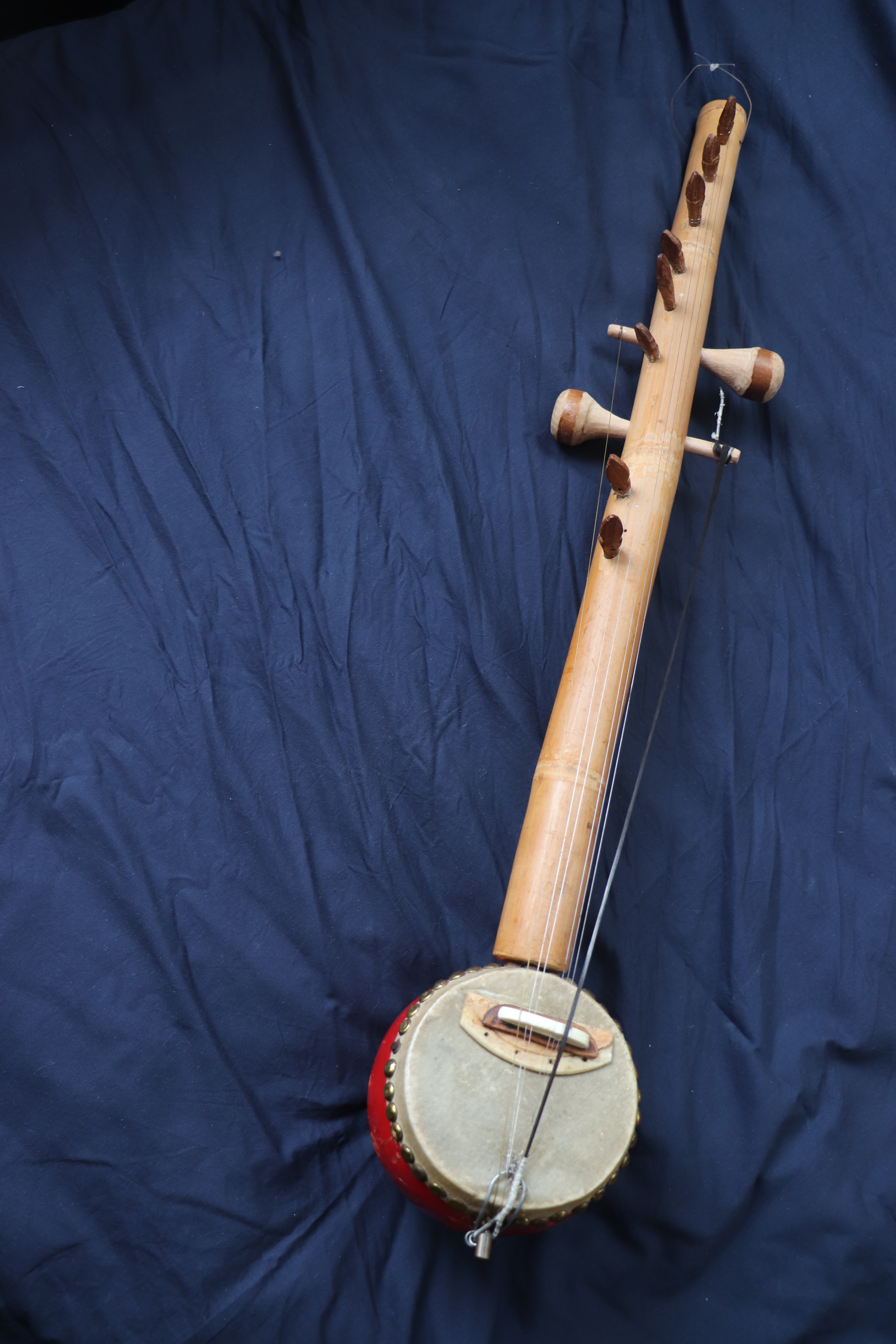


Gobaniasen 5 strings
I named it Gobaniasen 5 strings, this selfmade instrument fusion of Shamisen ( 3 string Japanese banjo). I made a Shamisen and afterwards adding two strings like on a gourd banjo. Now I am able to pluck the strings with my right hand . Bania recalling the Stedman Bania

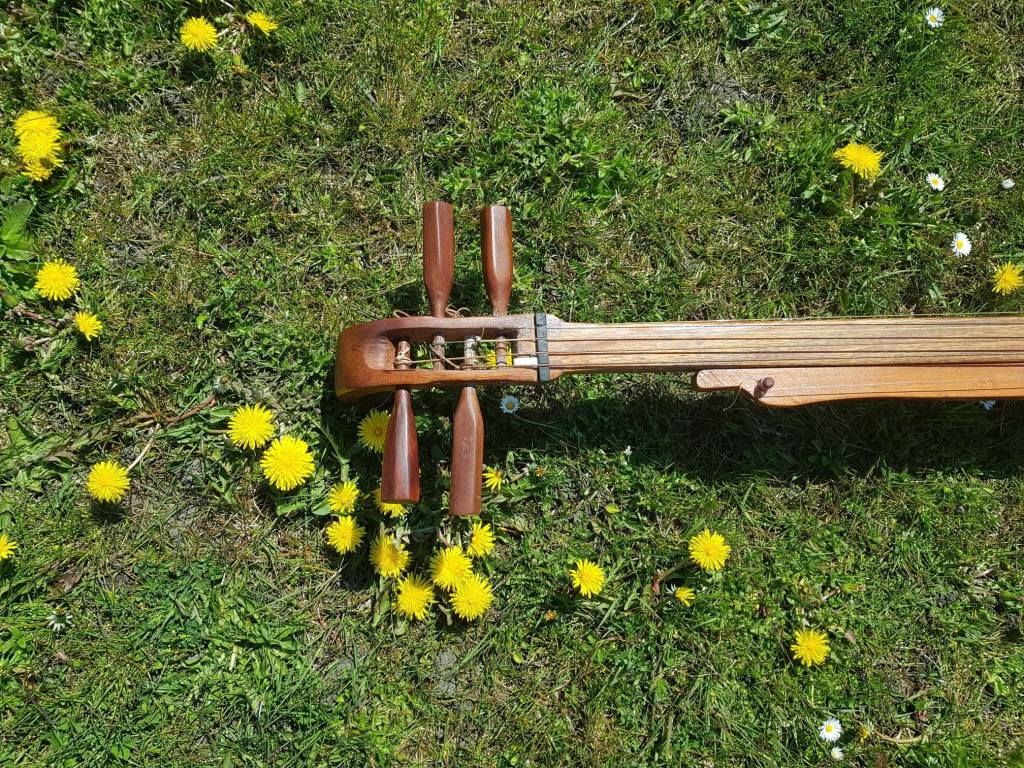

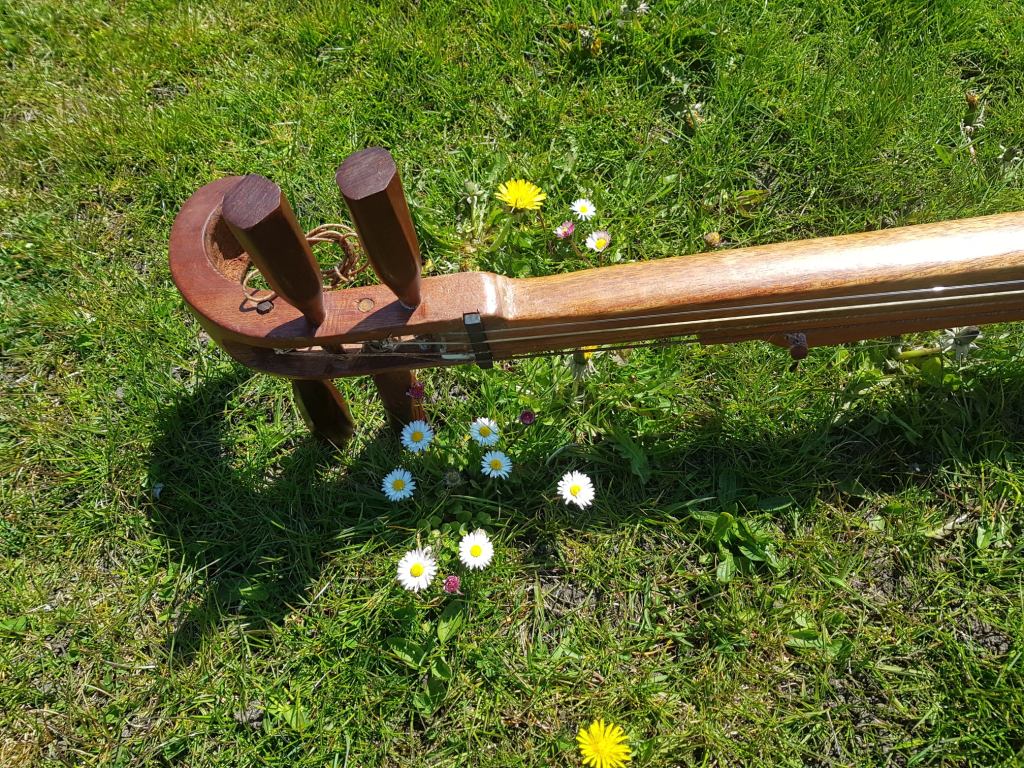

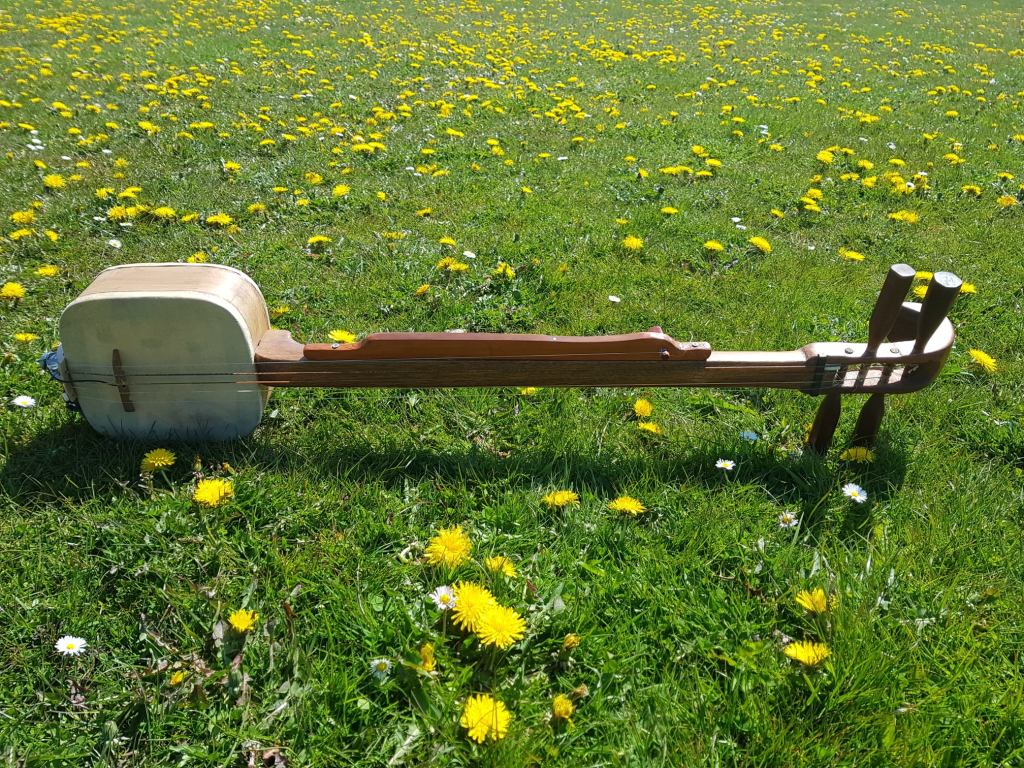


Mi Gron
Liesbeth Lisibeti Peroti performing
Mi Gron composition by Ronald Snijders
Maisa
Liesbeth Lisibeti Peroti performing
a transcription (by Robby Faverey) of a solo guitar composition Danza Caracteristica by Léo Brouwer and a traditional ritual song of Suriname – Maisa (goddess of the earth)
Vibration of Strings (2005)
Robby Faverey – Brasilian mandolin, Guitar and Percussion
Nelson Latif – Guitar and Cavaquinho
Satyakam Mokamsing – Indian violin
Singiprisiri ’96 – Mix vocal ensemble
 Robby Faverey